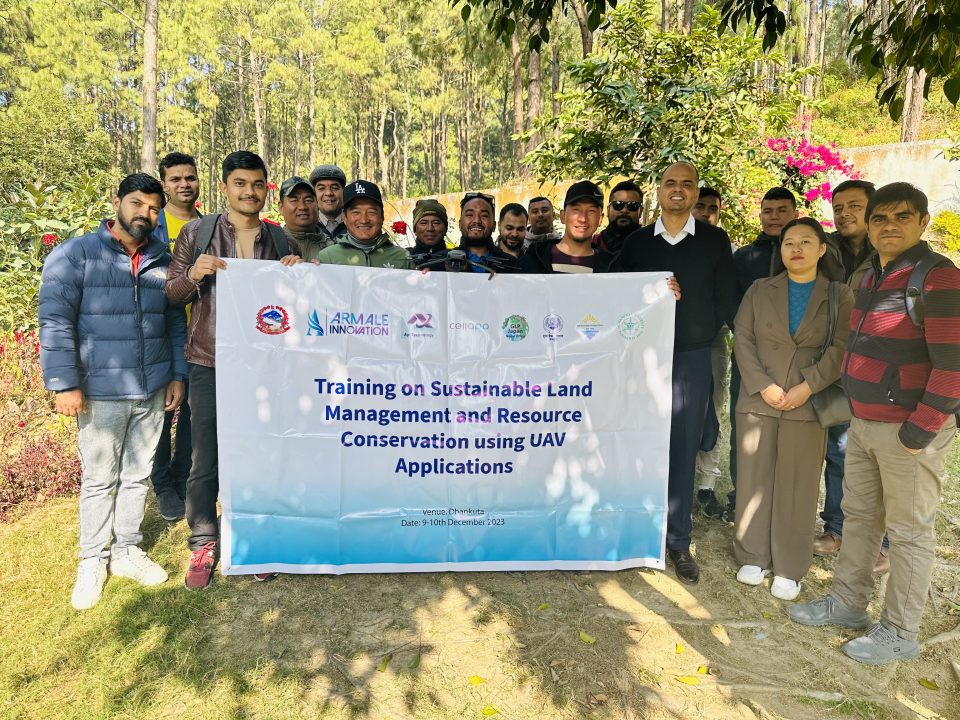
In recent years, the utilization of Unmanned Aerial Vehicles (UAVs), commonly known as drones, has witnessed a remarkable rise across various sectors, particularly in forest […]
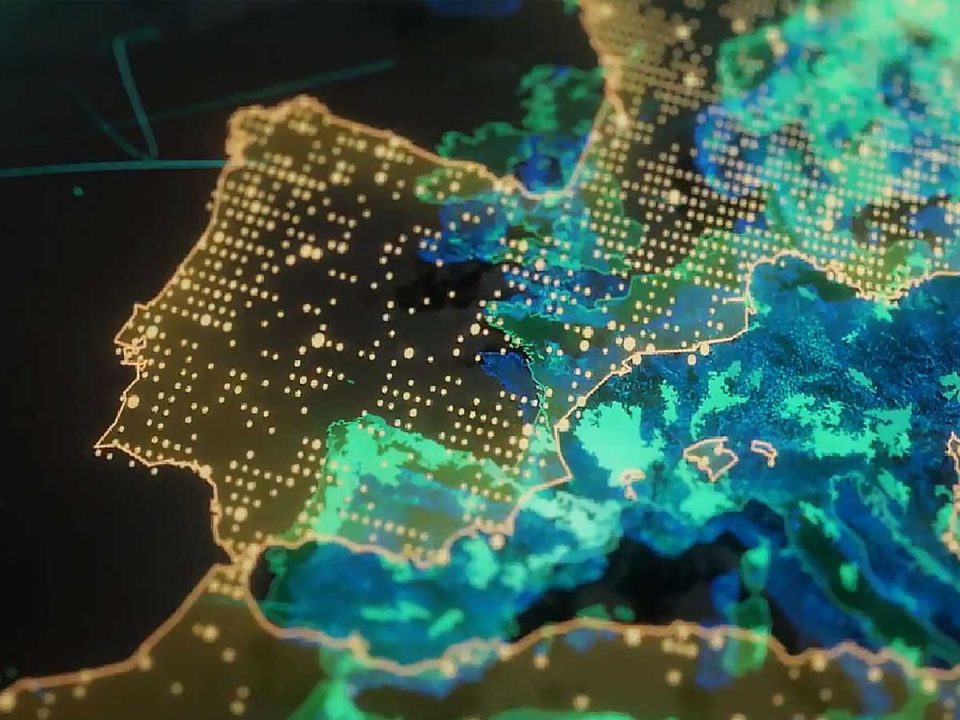
As environmental challenges grow in scale and complexity, decision-makers increasingly rely on data-driven insights. Geographic Information Systems (GIS), remote sensing, and data analytics have become essential tools in environmental and climate governance.
Climate risks are increasingly shaping development outcomes, particularly in climate-vulnerable regions. Evidence-based policy and planning play a critical role in strengthening resilience at local, national, and regional levels.
As climate change, biodiversity loss, and environmental degradation intensify, isolated solutions are no longer sufficient. Addressing these interconnected challenges requires approaches that bridge science, policy, finance, and on-the-ground implementation.